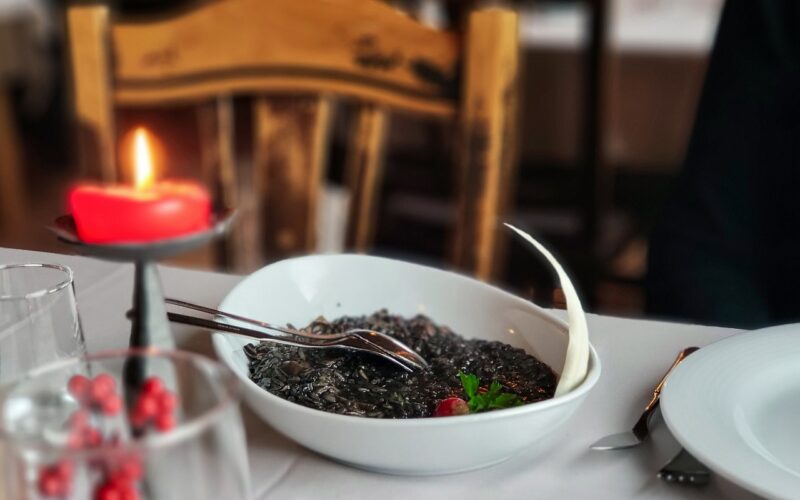
There is something quietly powerful about sharing a dessert with someone. The warm pull of a freshly baked chocolate fondant, the delicate crunch of a perfectly caramelised crème brûlée — these experiences do not just satisfy hunger. They create moments. And moments, more often than not, are what people fall for.
Food has long been tied to emotion, but dessert occupies a particularly intimate corner of that relationship. Unlike a starter or main course, dessert is rarely about sustenance. It is indulgent, deliberate, and almost always a choice. Choosing to share something sweet with another person sends a quiet but unmistakable message: I want this moment to last a little longer.
Why sweetness triggers emotional connection
Research in sensory psychology suggests that sweet flavours are among the first preferences humans develop — long before we can articulate why. This early association with comfort and reward means that, on some level, offering someone something sweet taps into a deeply rooted emotional response. It signals care, generosity, and warmth in a way that few other gestures can.
There is also the shared experience to consider. Dessert is rarely eaten in a rush. It invites people to slow down, linger at the table, and talk — properly talk. That unhurried quality is where connection tends to deepen. A conversation held over a slice of cake or a shared bowl of gelato carries a different weight to one held over a hurried lunch.
The effort behind the sweetness matters
A homemade dessert raises the stakes considerably. When someone takes the time to bake for another person — learning their preferences, sourcing good ingredients, and investing real effort into the outcome — it communicates something that even the most thoughtful restaurant booking cannot quite replicate. The imperfections of a homemade tart or a slightly lopsided sponge can, paradoxically, make the gesture feel more genuine.
That said, knowing where to find an exceptional dessert is its own form of attentiveness. Seeking out the best patisserie in town, or remembering that someone prefers fruit-based puddings over chocolate ones, demonstrates the kind of quiet observation that tends to go a long way in any relationship.
Dessert as a love language
The concept of love languages — popularised by Gary Chapman — includes acts of service and gift-giving as primary ways people express affection. Dessert, rather neatly, manages to be both at once. It is a gift you have actively gone out of your way to give, and often one that required time, thought, or skill to deliver.
There is also something worth noting about vulnerability. Cooking for someone, or choosing something carefully for them, involves a degree of risk. What if they do not enjoy it? What if it does not turn out as planned? That willingness to try anyway — to risk a little awkwardness in the hope of creating a good experience — is precisely what makes the gesture feel meaningful.
Start with something sweet
The idea that the way to someone's heart is through their stomach is old wisdom, but it holds up. Dessert, in particular, carries a symbolic quality that savoury food rarely achieves. It represents the part of a meal that did not need to happen — the extra effort, the added indulgence, the conscious decision to make something better than it strictly needed to be.
Whether it is a box of carefully chosen chocolates, a hand-rolled pastry, or simply two spoons and a shared slice of something good, dessert has a way of turning an ordinary evening into something worth remembering. And in matters of the heart, it is often the small, considered gestures that leave the deepest impression.